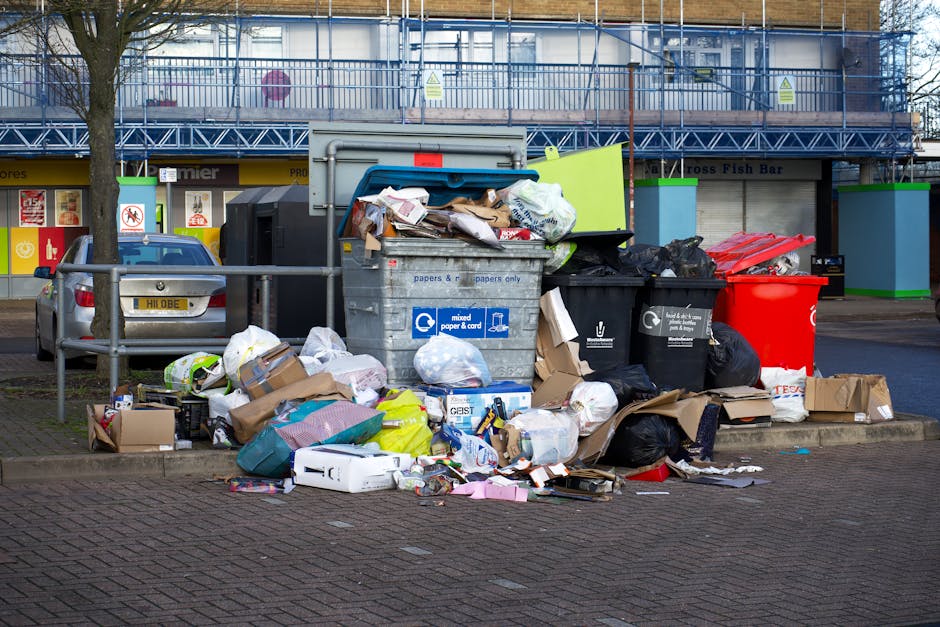
Hillingdon Council Rules for Furniture Disposal and Cleaning: A Practical Local Guide
If you are dealing with an old sofa, a broken wardrobe, or a flat that needs a proper reset, Hillingdon Council rules for furniture disposal and cleaning can feel surprisingly fiddly. Do you leave furniture out for collection? Can it go to the tip? What happens if it needs cleaning first? And, to be fair, what counts as "clean enough" when you are clearing a property after tenants move out or after a big declutter?
This guide breaks the process down in plain English. It covers how furniture disposal usually works in Hillingdon, how cleaning fits into the picture, where people most often go wrong, and how to plan a smoother clearance without creating mess, fines, or extra hassle. You will also find a practical checklist, a comparison table, and a few grounded tips from real-world cleaning and clearance scenarios.
Quick take: the safest approach is to separate what can be reused, what must be collected or taken away, and what needs cleaning before anyone handles it. A little planning saves a lot of back-and-forth.
For homes, landlords, and businesses in West London, the overlap between disposal and cleaning matters more than people think. A bulky item left in the wrong place can cause enforcement issues, while a dusty, damp, or pest-affected sofa can complicate a clearance job very quickly. If you are also preparing a property for inspection or sale, pairing furniture removal with services like house clearance, deep cleaning, or end of tenancy cleaning can make the whole thing feel less chaotic. Less faff, basically.
Why Hillingdon Council rules for furniture disposal and cleaning Matters
Furniture disposal is not just about getting rid of an item. It is about how it leaves the property, where it goes, and whether it creates a cleanliness or safety issue along the way. In a borough like Hillingdon, that matters in shared stairwells, narrow driveways, estates, and busy streets where bulky items can block access or attract complaints.
The cleaning side matters for a different reason. Furniture is often removed because a room is being sold, let, refurbished, or handed back. If the sofa has left a stain on the carpet, or the bed base has been sitting in a damp room and picked up mould, the job is no longer simple disposal. You are now also dealing with hygiene, odour, and the condition of the surrounding surfaces.
There is another angle too: many people underestimate how much a space changes once large furniture is gone. Dust rings, floor marks, greasy skirting, and trapped debris suddenly become obvious in daylight. You know that feeling when you move a wardrobe and the wall behind it looks like it has been hiding a small ecosystem? Yes, that.
Following council expectations helps you avoid three common headaches:
- items being left out incorrectly or too early
- litter, stains, or contamination after removal
- extra costs from having to re-clean, re-handle, or arrange another collection
For landlords and managing agents, this also supports a more professional handover. For homeowners, it simply keeps the project from sprawling into a weekend-long mess.
How Hillingdon Council rules for furniture disposal and cleaning Works
The exact process depends on what you are disposing of, where the item is located, and whether the furniture can be reused, repaired, or recycled. In practical terms, most furniture disposal jobs fall into one of a few buckets.
1. Reuse or donation where possible
If furniture is in decent condition, reuse is usually the first thing to consider. A reusable table or chair is often easier to pass on than to break down for waste. Before moving it, though, give it a quick clean. Wipe surfaces, remove dust, and check for any loose fittings. If an item looks cared for, it is more likely to be accepted by a charity, reseller, or recipient.
2. Bulky waste or collection arrangement
Large items that cannot fit in normal household bins typically need a bulky waste route, a special collection, or another approved disposal method. The key point is that furniture should not be abandoned on the pavement, in a shared hallway, or beside communal bins unless the collection system specifically allows that. If you are unsure, assume it is not okay until you have confirmed otherwise.
3. Direct transport to a disposal or reuse point
Some people choose to move furniture themselves. That can work, but it is only sensible if the item is safe to carry, clean enough to handle, and suitable for transport. A heavy armchair with loose springs or a damp mattress is not the kind of thing you want sliding around in a car boot. Been there, regretted that.
4. Clearance before cleaning, or cleaning before clearance
This is where the process gets a little more interesting. Sometimes you clear first and clean after. Sometimes you clean first so removal teams can work safely. For example:
- clean first if the furniture is contaminated by food, pests, mould, or strong odours
- clear first if the room needs access for flooring or wall cleaning
- do both together for end-of-tenancy, probate, or post-refurbishment jobs
If the property needs a broader reset, support services like domestic cleaning or one-off cleaning can be useful once the bulky items are out of the way.
Key Benefits and Practical Advantages
Getting furniture disposal and cleaning right is not only about staying on the right side of local rules. It also makes the whole job easier, faster, and less stressful.
- Safer handling: clean, dry, intact furniture is easier to move than dusty, sticky, or damaged items.
- Better recycling potential: furniture that is sorted properly has a better chance of being reused, dismantled, or processed correctly.
- Cleaner property handover: once bulky furniture is gone, cleaning can reach edges, skirting boards, and flooring properly.
- Lower risk of odours and pests: old upholstery, food residue, and damp can cause lingering smells or attract insects.
- Less property damage: careful removal and cleaning help avoid scratches, scuffs, and water marks.
- Less emotional strain: honestly, clearing a room is easier when you have a plan instead of guessing as you go.
There is also a time-saving benefit that people sometimes overlook. If you combine clearance with targeted cleaning, you avoid doing the same move twice. For example, if a sofa has been removed, the surrounding carpet, rug, or upholstery area can be cleaned immediately rather than left until later. Services such as carpet cleaning, rug cleaning, and upholstery cleaning fit neatly into that kind of workflow.
Who This Is For and When It Makes Sense
This guide is useful for a surprisingly wide group of people. If you live in Hillingdon, rent in the borough, manage a property, or run a business premises, chances are you will need this at some point.
Homeowners
If you are replacing furniture, downsizing, or clearing a spare room, you need a method that avoids clutter sitting around for days. A common example is a living room refresh where an old sofa, sideboard, and coffee table all need to go. If the room has not been cleaned in a while, dust and pet hair can make the job feel bigger than it is.
Tenants and landlords
In rental properties, furniture disposal is often tied to move-out deadlines, inventory checks, and cleaning standards. Leaving damaged furniture behind can complicate deposits and handovers. A structured approach helps the outgoing tenant, the landlord, and anyone doing the final clean.
Estate managers and letting agents
When you need a flat or house ready for remarketing, speed matters. Furniture removal should be paired with cleaning so the property is presentable, not just empty. A hallway full of dust and old fixings rarely makes a good first impression.
Businesses and offices
Desks, chairs, shelving, and reception furniture often need to be removed during a reconfiguration or relocation. That is where planning really pays off. Offices need clear access routes, sensible timing, and minimal disruption, which makes services like office cleaning and hard floor cleaning especially relevant after the old furniture has gone.
Builders, renovators, and one-off project owners
If the disposal is tied to renovation, post-build dust may be everywhere. Furniture can come out coated in plaster dust or grit, and cleaning after removal becomes a must. In those cases, aftercare support such as after builders cleaning can save a lot of scrubbing.
Step-by-Step Guidance
Here is the simplest way to handle furniture disposal and cleaning without losing track of the process.
- List every item. Walk the room and write down what needs to go. Be specific: "two-seat sofa," "broken bedside cabinet," "dining chair with loose leg."
- Sort the items by condition. Separate reusable items, repairable items, and items that are clearly waste. A quick decision here saves a lot of dithering later.
- Check for contamination or risk. Look for mould, damp, pests, staining, broken glass, exposed springs, or sharp edges. If something feels unsafe, treat it carefully and clean it appropriately.
- Choose the disposal route. Decide whether the item will be reused, collected, transported, or removed as part of a clearance job.
- Prepare the space. Clear walkways, remove small loose items, and protect floors if needed. You do not want to drag a heavy wardrobe across a polished floor and then wince at the scratch marks.
- Clean as you go. Wipe down salvageable furniture before reuse. Vacuum around and under the item before moving it if dust is likely to spill out.
- Remove bulky items safely. Use proper lifting technique and enough help. If the item is awkward, stop and reassess rather than trying to be heroic for no reason.
- Clean the exposed areas. Once the furniture is gone, clean the forgotten surfaces: skirting, sockets, radiators, flooring edges, and window sills.
- Check for leftover waste. Bag small debris, fixings, and packaging before finishing. Tiny screws and staples have a habit of turning up under bare feet later. Annoying, that.
If the property needs a deeper reset afterwards, you may want a more thorough service like deep cleaning or end of tenancy cleaning, especially if the clearance uncovered heavy dust or built-up grime.
Expert Tips for Better Results
A few practical habits can make the whole process smoother. These are the things that tend to separate a tidy job from a messy one.
- Clean before anyone lifts if the item is dusty or sticky. A simple wipe-down keeps grime from spreading onto hands, walls, or stair rails.
- Take photos before and after. Useful for landlords, agents, or anyone proving the property was cleared properly.
- Work from the cleanest item to the dirtiest. That way, you do not spread contamination around as you go.
- Keep one bag for screws, brackets, and small fittings. It sounds basic, but it prevents little metal bits from ending up on the floor.
- Use dry cleaning methods first. Vacuum and dust before introducing moisture. It keeps the job neater and avoids spreading muddy residue.
- Protect adjoining surfaces. Door frames, bannisters, and thresholds are the usual casualties during rushed removal.
- Allow for drying time. If upholstery or floors are cleaned after clearance, give them time to dry before moving anything back in.
A small real-world example: a two-bedroom flat with a damaged sofa, a mattress, and a dining set often looks like a full-day job. But once the furniture is out and the rooms are stripped back, the cleaning stage can move quickly. You stop cleaning around objects and start cleaning the actual room. Much better.
And if the furniture itself can still be saved, a targeted approach is worth it. oven cleaning might seem unrelated at first glance, but the same principle applies: removing built-up residue before it becomes a larger problem. Different item, same logic.
Common Mistakes to Avoid
Most issues come from rushing. Usually not malicious, just rushed. The problem is that bulky furniture and cleaning tasks punish shortcuts.
- Leaving items out too early. This can create clutter, obstruction, or unwanted attention in communal areas.
- Skipping the condition check. A piece that seems fine at a glance may hide mould, broken supports, or contamination.
- Forgetting the floor beneath the furniture. That hidden dust and trapped grit always shows up once the room is emptier.
- Mixing dirty and clean items together. This leads to cross-contamination and more cleaning work later.
- Using the wrong method for the material. Wood, fabric, leather, laminate, and metal all need slightly different treatment.
- Trying to move heavy items alone. Back strain and scuffed walls are not a good trade.
- Assuming "disposed of" means "job done." In many homes, the real clean only starts after the furniture is gone.
One of the most common mistakes we see is treating cleaning as an optional final touch rather than part of the disposal plan. In reality, they are connected. If you remove a sofa but ignore the marks, smells, and dust it left behind, the room still feels unfinished.
Tools, Resources and Recommendations
You do not need a van full of specialist gear for every job, but a few basic tools help a lot.
- heavy-duty bin bags for small waste and fixings
- microfibre cloths for dust and surface wiping
- a vacuum with hose attachments for corners and edges
- protective gloves for handling rough or dirty items
- dust sheets or floor protection where needed
- storage boxes for reusable screws, brackets, or fittings
- disinfectant or suitable cleaning solution for contaminated surfaces
For more involved jobs, the smartest resource is often a professional clearance-and-cleaning plan. If you are dealing with mixed furniture, fixtures, and post-move residue, it can be worth pairing removal with house clearance and a follow-up service such as one-off cleaning. That combination suits everything from empty flats to cluttered family homes after a long overdue sort-out.
If sustainability is part of your decision-making, it also helps to think in terms of reuse first, recycling second, disposal last. A good plan reduces waste without turning the job into a full research project. Frankly, no one wants that on a Tuesday evening.
Law, Compliance, Standards, or Best Practice
Because furniture disposal touches waste handling, access, hygiene, and sometimes tenancy obligations, it is wise to stay aligned with accepted UK best practice. Exact procedures can vary, so the safest rule is simple: follow the local collection guidance that applies to your item, and do not leave furniture in places where it could obstruct, contaminate, or create a hazard.
From a practical compliance point of view, there are a few principles worth following:
- Do not obstruct communal areas. Hallways, exits, and shared entrances need to remain clear.
- Keep disposal controlled and traceable. If someone is removing items on your behalf, make sure the arrangement is clear and responsible.
- Treat contaminated items carefully. Damp, pest-affected, or heavily soiled furniture may need a more cautious approach.
- Respect lease or tenancy conditions. Many agreements expect properties to be left free of unwanted furniture and reasonably clean.
- Use safe handling methods. Lifting, carrying, and loading should reduce injury risk rather than create it.
For shared responsibility jobs, it is best to confirm who owns the disposal task before anything moves. That matters in flats, office units, and rental properties. A lot of confusion disappears the moment responsibilities are written down. Simple, but effective.
Cleaning standards are equally important. If a room is being handed over, surfaces should be left free from obvious debris, dust, odour, and residue. For a more polished result, exterior-facing work such as window cleaning or patio cleaning may also be useful when furniture has been removed from a room and you want the whole property to feel fresh again.
Options, Methods, or Comparison Table
Here is a straightforward comparison of common furniture disposal and cleaning approaches.
| Method | Best for | Pros | Watch-outs |
|---|---|---|---|
| Reuse or donation | Items in good condition | Reduces waste, often the cleanest option | Needs the item to be presentable and safe |
| Bulky collection arrangement | Large household items | Convenient, less manual transport | Must follow the correct local process |
| Self-transport | Smaller or manageable items | Flexible timing, direct control | Requires a suitable vehicle and safe lifting |
| House clearance service | Multiple items or whole-room clearances | Efficient and coordinated | Cost may be higher than doing it yourself |
| Clearance plus deep cleaning | End-of-tenancy, probate, renovation, or neglected rooms | Best finish, less backtracking | Needs scheduling and planning |
The best option depends on volume, condition, urgency, and whether cleaning is needed around or after the items. If the job includes old mattresses, upholstery, or worn rugs, you will usually get a better result by treating disposal and cleaning as a single project instead of separate chores.
Case Study or Real-World Example
Here is a realistic example from a typical Hillingdon property scenario.
A tenant is moving out of a two-bedroom flat. The property has a three-seat sofa, a damaged bookshelf, a dining table, and two chairs that are still usable. The sofa has dust embedded in the fabric, and the floor beneath it has not been cleaned in years, which is fairly normal, by the way. The landlord wants the flat cleared quickly so cleaning and inspection can happen in the same week.
The sensible approach is:
- sort the usable chairs separately from the broken bookshelf and worn sofa
- wipe down the reusable items so they are fit for donation or transport
- remove the damaged furniture safely and clear all loose debris
- vacuum under and around each item once it is moved
- book a deeper clean for floors, corners, and high-contact surfaces
- finish with a final inspection of skirting boards, sockets, and window ledges
The result is a flat that is empty, clean, and ready for the next stage without repeated visits. The best part? The cleaning team is not working around furniture, and the removal team is not dragging dirty items through freshly cleaned areas. Everyone wins, more or less.
In larger or more cluttered homes, the same approach can be extended into a fuller clearance plan. If there is still furniture in multiple rooms, house clearance plus recycling and sustainability planning can keep the process orderly and environmentally minded.
Practical Checklist
Use this before you start any furniture disposal and cleaning job in Hillingdon.
- Identify every item that needs to leave the property
- Check whether each item can be reused, repaired, or recycled
- Look for mould, damp, pests, sharp edges, or broken fittings
- Decide whether the furniture needs cleaning before movement
- Clear walkways and protect floors where needed
- Gather gloves, cloths, bags, and vacuum attachments
- Arrange the correct disposal or clearance method
- Clean exposed surfaces after furniture is removed
- Dispose of small waste, packaging, and fittings properly
- Do a final room check for dust, odour, and stray debris
If the property still looks tired after the furniture has gone, that is usually the signal to step up the cleaning. Not always a disaster, just a sign that the room has more history than you first thought.
Get a free quote today and see how much you can save.
Conclusion
Hillingdon Council rules for furniture disposal and cleaning are easiest to follow when you treat the job as one joined-up process. First decide what is staying, what is going, and what needs to be cleaned before it moves. Then make sure the property is left tidy, accessible, and free of avoidable mess.
That approach protects the home, the people moving the items, and the wider property. It also makes the final result feel properly finished, which is often what people want most. Not perfect. Just calm, clean, and sorted.
If you are facing a bulky clearance, end-of-tenancy handover, or a room that needs a reset after furniture removal, take it one step at a time. A clear plan, a steady hand, and the right follow-up cleaning make a bigger difference than most people expect.
And when the last piece is gone and the room suddenly feels bigger, lighter, and easier to breathe in, that is usually the moment you know it was worth doing properly.
Frequently Asked Questions
Can I leave old furniture outside for collection in Hillingdon?
Only if the relevant collection arrangement allows it. As a general rule, furniture should not be left outside, in communal areas, or on the pavement without confirming the correct process first. Leaving bulky items out too early can cause obstruction or complaints.
Do I need to clean furniture before disposal?
It is usually a good idea. A quick clean makes items safer to handle, reduces odours, and improves the chance of reuse or donation. If the furniture is contaminated by mould, pests, or heavy staining, it may need a more careful approach.
What if the furniture is still usable?
If it is safe and presentable, reuse is often the best option. Wipe it down, check for damage, and decide whether it can be donated or passed on. Usable furniture should not be treated like waste if it can help someone else.
How do I handle furniture that has mould or damp on it?
Handle it cautiously and avoid spreading spores or moisture into other parts of the property. If the item is badly affected, it may be better to arrange removal rather than try to salvage it. Cleaning the surrounding area afterwards is usually essential.
Can I put furniture in my general rubbish bin?
No, not in normal circumstances. Large furniture does not belong in standard household bins. It typically needs bulky item handling, reuse, or a suitable disposal route.
What cleaning should happen after furniture is removed?
At minimum, clean the floor area, skirting, edges, and any marks left behind. In many cases, you will also want to vacuum corners, wipe wall contact points, and remove dust from surfaces that were hidden by the furniture.
Is house clearance better than doing it myself?
It depends on the volume, weight, and condition of the items. For one or two manageable pieces, doing it yourself may be fine. For multiple items, awkward furniture, or a whole property, a professional house clearance approach is often simpler and safer.
What if I need to clean carpets after removing furniture?
That is very common. Furniture often leaves pressure marks, dust lines, and hidden dirt. Once the item is gone, a targeted carpet cleaning service can help bring the room back to a better standard.
Should I clean first or remove furniture first?
It depends on the condition of the item and the room. If furniture is dirty, contaminated, or likely to spread dust, a quick clean first may help. If the room needs access for a full clean, removal first is usually better. Sometimes the answer is both.
What are the biggest mistakes people make with furniture disposal?
The biggest ones are leaving items out incorrectly, forgetting to clean hidden surfaces, and trying to move heavy furniture without enough help. Those mistakes create mess, delays, and sometimes injuries. A small bit of planning goes a long way.
Is this relevant for end-of-tenancy cleaning?
Very much so. Furniture disposal and final cleaning are tightly linked in rental properties. If the flat still contains unwanted furniture or the floor beneath it is dirty, the handover can quickly become awkward. Combining disposal with end of tenancy cleaning usually gives a far better result.
How do I know if the item should be cleaned, repaired, or thrown away?
A simple test helps: if the item is safe, cleanable, and structurally sound, it may be worth keeping or passing on. If it is broken, badly contaminated, or too damaged to use comfortably, disposal is usually the sensible choice. Trust your judgement here; if it looks beyond saving, it probably is.